 Aura Mesh Window
Engineered to withstand 1,400m+ elevation spectral intensity, extreme monsoon moisture cycles, and atmospheric pollution.
Why Standard Building Materials Fail Prematurely in High-Altitude Himalayan Environments
The Kathmandu Valley, situated at an average elevation of 1,400 meters (4,600 feet) above sea level, presents a unique and aggressive microclimate that poses severe challenges to structural exterior building envelopes, infrastructure hardware, and polymer-based materials. The combination of high atmospheric transparency, elevated solar ultraviolet (UV) irradiance, intense seasonal monsoon rainfall, and urban particulate air pollution creates a highly corrosive photothermal environment.
Due to the reduced atmospheric mass at 1,400m elevation, UV radiation levels in Kathmandu are significantly higher than at sea level. Solar irradiance experiences less Rayleigh scattering and atmospheric absorption. During summer months (May through August), the solar peak UV index routinely exceeds 11 to 12+ (Extreme) on the WHO scale. Sunlight reaching the Valley floor contains a high concentration of short-wavelength UV-B (280-315 nm) and long-wavelength UV-A (315-400 nm) radiation.
When exposed to UV-B photons, organic polymers undergo photo-oxidative degradation. The high-energy photons break chemical bonds within polymer chains (such as carbon-carbon single bonds), generating free radicals. This photolytic scission leads to rapid micro-cracking, surface chalking, loss of tensile strength, and severe color degradation (Delta E shifts) in substandard exterior materials.
Kathmandu experiences a distinct South Asian monsoon season from June to September, delivering over 80% of its annual rainfall (approx. 1,400 mm to 1,500 mm). The transition between scorching pre-monsoon solar exposure and prolonged monsoon humidity creates extreme hydrolytic and thermal shock cycles:
The bowl-shaped topography of the Kathmandu Valley impedes atmospheric dispersion, trapping industrial dust, vehicle exhaust emissions, and biomass smoke. Ambient sulfur dioxide (SO₂), nitrogen oxides (NOₓ), and high concentrations of Fine Particulate Matter (PM2.5 / PM10) settle on exterior building surfaces. When combined with dew or light fog, these pollutants form weak acid solutions that attack metal coatings, passivated stainless steels, and unprotected anodized aluminum finishes.
| Environmental Vector | Kathmandu Valley Baseline | Standard Material Failure Mode | Engineered Mitigation Strategy |
|---|---|---|---|
| Solar UV Irradiance | Peak UV Index 11-13 (High Altitude) | Polymer backbone scission, chalking, embrittlement | HALS + PVDF 3-coat Kynar 500 resin fluoropolymer |
| Monsoon Humidity | Relative Humidity > 85% (June-Sept) | Adhesion failure, hydrolytic sealant breakdown | Neutral cure silicone & alkoxy-based sealants |
| Thermal Cycling | ΔT up to 45°C daily surface variance | Joint fatigue, seal extrusion, micro-fissures | Architectural EPDM / Fluorosilicone thermal breaks |
| Particulate Acidic Dew | High PM2.5/PM10, ambient SO₂ traces | Pitting corrosion on steel, anodization bloom | SS304/SS316 passivated alloys & FRP composites |
Advanced Formulation Protocols and Testing Standards Applied to Export Products
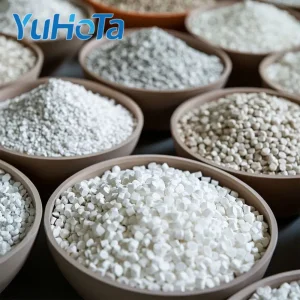
Our polymer formulations utilize a synergistic blend of Hindered Amine Light Stabilizers (HALS) and Organic UV Absorbers (Benzotriazoles). HALS acts as a free radical scavenger that intercepts alkyl radicals formed during photo-oxidation, regenerating itself to provide long-term protection against polymer embrittlement.
For metallic exterior architectural components, we apply 70% Polyvinylidene Fluoride (PVDF / Kynar 500) resin coatings. The extreme strength of the Carbon-Fluorine (C-F) bond provides absolute inertness against UV radiation, acid rain, and atmospheric pollutants, guaranteeing color retention (ΔE < 5) over 25 years.
All product materials undergo rigorous laboratory qualification under ASTM G154 (Accelerated Fluorescent UV Exposure), ASTM D4329, and ISO 4892-3 protocols. Materials are subjected to 5,000+ hours of continuous UV-A/UV-B radiation and condensation cycles to simulate 15+ years of high-altitude Himalayan field exposure.
Over a decade of excellence in deep processing, architectural glass, doors, windows, and exterior aluminum systems.
Establishment and Foundation (circa 2015): The company was founded in Anyi County, Nanchang City, Jiangxi Province. It is a state-of-the-art manufacturing factory integrating research and development, design engineering, and professional deep processing of high-durability architectural glass, aluminum doors, window systems, and heavy-duty protective fences.
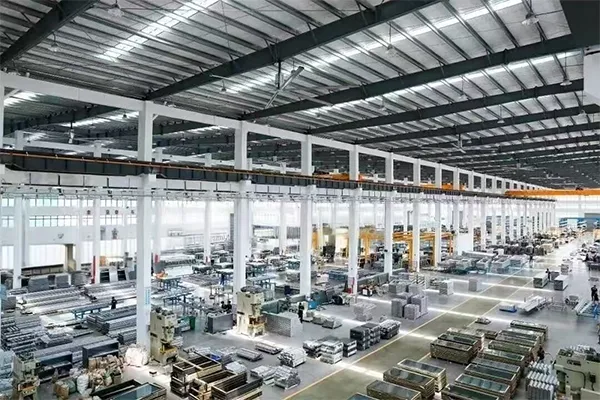
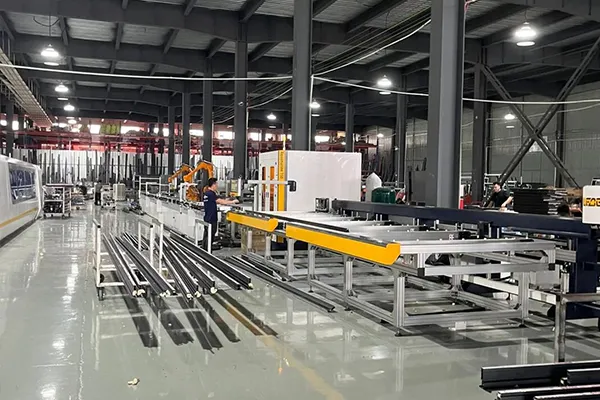
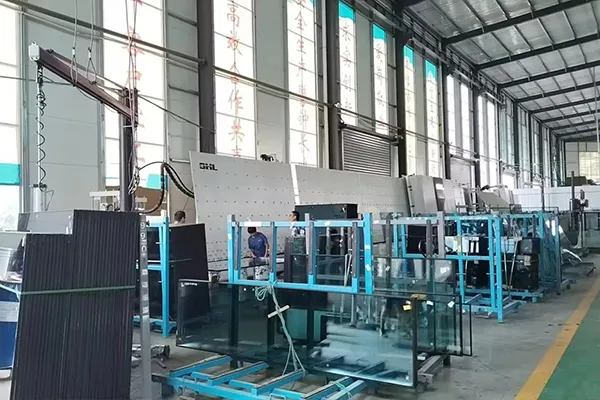
We have been serving global civil, commercial, and industrial markets for over 10 years. Our expansive manufacturing facility covers a total footprint of 30,000 square meters and hosts 6 specialized production workshops, 6 automated architectural glass production lines, 8 precision door and window assembly lines, and 4 automated fence production lines.
Currently, the factory employs 150 skilled personnel, including 45 specialized engineers. These engineers are dedicated to providing global B2B clients with comprehensive structural design solutions, seismic/wind load construction plans, optimized CAD/BIM technical drawings, new product R&D, and step-by-step installation guides. A dedicated lead engineer is assigned to manage the end-to-end technical compliance for each custom export order.
To ensure total supply chain reliability for overseas clients in South Asia and beyond, we operate a professional export packaging and logistics management team. Specialized custom timber crates, shock-absorbing polymer interleaving, and vacuum-sealed moisture wraps prevent structural damage or corrosion to delicate architectural glass, extruded aluminum frames, and sensitive IoT devices during multimodal transit.
Customized exterior specifications tailored to urban infrastructure projects across the Kathmandu Valley.
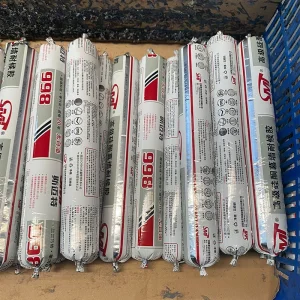
For high-rise commercial structures and luxury hotels in central Kathmandu, maintaining thermal efficiency while standing up to high UV irradiance is paramount. We supply structural thermal-break aluminum fenestration systems equipped with Low-E double-glazed unit (DGU) glass and neutral-cure structural silicone adhesive sealants. These systems eliminate thermal bridging, withstand high wind loads up to 2.5 kPa, and eliminate seal degradation caused by extreme solar radiation.
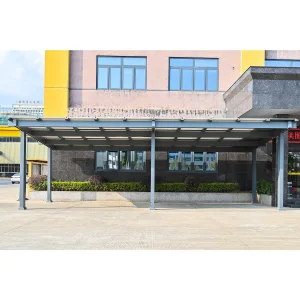
With Nepal expanding solar photovoltaic infrastructure, solar carports provide clean power and shade protection. Our extruded structural aluminum carports utilize anodized 6063-T6 aluminum alloys with stainless steel SS304 fasteners. They resist high-elevation atmospheric oxidation and monsoon humidity without rusting, securing PV module arrays for 25+ years of operational life.
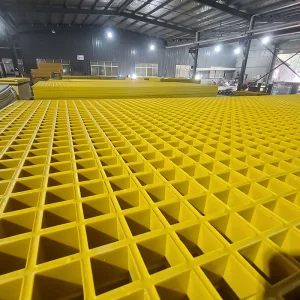
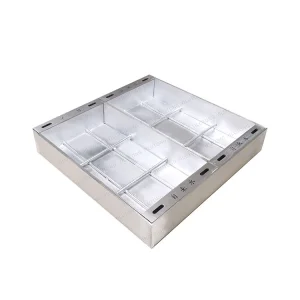
During peak monsoon storms, Kathmandu's drainage networks must rapidly discharge heavy water volumes. Standard cast iron covers suffer from atmospheric corrosion and cracking. We deploy heavy-duty 304 stainless steel manhole covers and anti-slip moulded FRP grating mesh panels. These components provide non-corrosive, high load-bearing capacity (EN124 load classes) and immunity to acidic surface runoff.
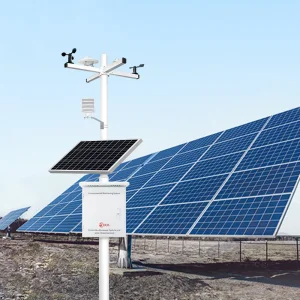
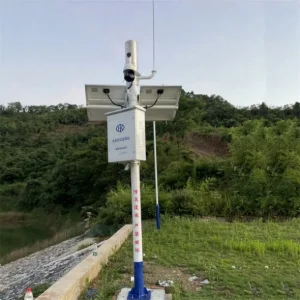
Precise localized weather data is essential for managing municipal flood risks, solar PV yield tracking, and agricultural planning in the Kathmandu basin. Our smart wireless IoT weather stations feature integrated solar power, weather-proof IP66 multi-sensor enclosures, and low-power telemetry designed to operate continuously under mountain precipitation and sun exposure.
Next-Generation Engineering Advances for High-Altitude Weather Resiliency
Integration of nanostructured fluoropolymer coatings that utilize ambient UV radiation to trigger micro-crosslinking repair, automatically healing surface micro-scratches and maintaining continuous hydrophobic protection against monsoon moisture ingress.
Developing non-toxic, eco-friendly organic UV stabilization additives derived from sustainable lignin compounds, providing superior UV-A and UV-B absorption without chemical leaching during heavy monsoon downpours.
Embedding miniaturized wireless stress and UV-degradation sensors directly into structural aluminum curtain walls and silicone joints, enabling predictive maintenance alerts before structural seal degradation occurs.
Fully tested and certified exterior materials available for immediate bulk supply to the Kathmandu market.
Clear technical insights regarding material performance, logistics, and compliance.
Consult directly with our engineering team for custom manufacturing, technical specifications, and factory-direct export pricing.
Send Inquiry Now