Exterior doors and windows quietly protect a building from rain, wind, heat, noise, and unwanted air movement. Yet many owners replace them only after condensation, drafts, or swollen frames appear. The U.S. Department of Energy reports that windows can account for 25–30% of residential heating and cooling energy use. This makes service life more than an appearance issue. It affects comfort, operating costs, and indoor moisture control.
What affects the lifespan of exterior doors and windows depends on several connected conditions. Climate matters. Salt air can corrode hardware, while intense sunlight can weaken seals and fade finishes. Installation quality matters just as much. A slightly uneven frame may create pressure points, allowing water to collect behind trim. The National Fenestration Rating Council emphasizes verified performance ratings, including air leakage, water resistance, and condensation resistance. These ratings help, but they cannot correct poor drainage or careless installation.
Maintenance remains practical and measurable. Clean window tracks, lubricate hinges, inspect weatherstripping, and repaint exposed wood before cracks deepen. ENERGY STAR guidance also supports checking seals and selecting products suited to the local climate. Small defects are cheaper to correct. Often much cheaper.
Still, no maintenance schedule guarantees a fixed lifespan. That assumption is too neat. A well-made window may fail early because of hidden moisture, while an older door may perform reliably after careful repairs. This guide examines inspection habits, material choices, installation details, and seasonal protection. It also considers when repair is sensible and when replacement provides better long-term value.
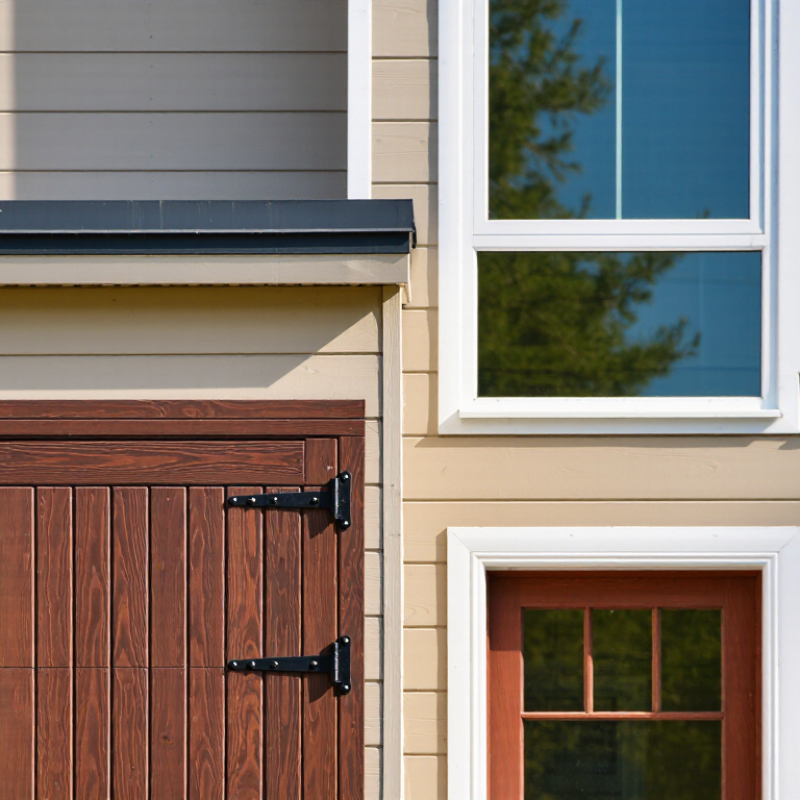
Assess the Current Condition of Exterior Doors and Windows
Before extending the lifespan of exterior doors and windows, inspect their present condition carefully. I begin outside, on a dry day, with a flashlight and screwdriver.
Start with daylight.
Walk around each opening and examine the frame, sill, trim, and surrounding wall. Soft wood, bubbling paint, swollen joints, or dark stains may indicate trapped moisture. Check caulking for gaps, cracking, and separation from the frame. Pay close attention to lower corners, where water often collects unnoticed.
Inside, open and close every door and window slowly. Resistance, scraping, or uneven gaps can signal settlement, damaged hinges, or a distorted frame. Test locks and handles without forcing them. Inspect glass for cracks, cloudy areas, and failed seals. Condensation between panes deserves attention, even when the room feels dry. Loose weatherstripping can also increase drafts and energy loss.
A moisture meter can support a visual inspection, but readings need context. Compare suspicious areas with nearby dry surfaces and consider the material involved. Persistent dampness should be assessed by a qualified building professional, especially near electrical systems or structural framing. Do not cover damaged wood with fresh paint. That hides evidence and may worsen decay.
Record each finding with photographs, locations, and dates. I once found a small stain beneath a sill; the real problem was a blocked exterior drainage path. My first assumption was wrong. That mistake reinforced a useful habit: inspect the water route, not only the visible damage. Small repairs may be suitable for sound materials, while widespread rot, distorted frames, or unsafe glass require informed replacement decisions.
Clean and Inspect Frames, Glass, Hardware, and Seals
Exterior doors and windows last longer when small defects are found before water or air enters. The U.S. Department of Energy reports that windows can account for 25–30% of residential heating and cooling energy use. Cleaning is therefore maintenance, not decoration.
Wash glass with mild soap and water, then dry the edges completely. Dirt often hides at the lower frame, where moisture collects. Inspect wood, vinyl, aluminum, and composite frames for swelling, cracks, corrosion, or soft spots. Pay close attention after heavy rain. A dry-looking surface can still conceal trapped water.
Open and close each door or window slowly. Loose hinges, stiff handles, and uneven gaps may signal movement in the frame. Clean hardware, tighten accessible screws, and use a suitable lubricant sparingly. Do not force a mechanism. The seal deserves a close look. Press gently around gaskets and weatherstripping; brittle, flattened, or separated material should be replaced. The National Fenestration Rating Council emphasizes that rated performance depends on proper installation and product condition. That detail is easy to overlook. A failed seal can create drafts, condensation, and higher energy use. The check may feel routine, but rushed inspections miss the lower corners most often. Recording photos and dates can reveal gradual changes, although a simple checklist is not a substitute for professional assessment when rot, persistent leaks, or structural movement appears.
Source: U.S. Department of Energy, Energy Saver, “Windows, Doors, and Skylights”; National Fenestration Rating Council, fenestration performance guidance.
Repair Damage and Replace Worn Components Promptly
Small defects rarely stay small on exterior openings. Water follows a cracked seal and can reach wood, insulation, or wall framing. In practice, inspect doors and windows after heavy rain, especially around the sill and lower corners. Look for peeling paint, swollen wood, foggy glass, rusted fasteners, and daylight around closed frames. Press gently near suspicious trim. Soft areas may indicate hidden moisture, not a cosmetic issue.
Repair damage before replacing unrelated parts. Remove loose caulk, let damp material dry, and apply a suitable exterior sealant. Replace split weatherstripping when drafts are noticeable. A worn sweep can leave a visible gap beneath a door. Adjust hinges when the slab scrapes the threshold. Tighten loose screws, but avoid forcing damaged hardware. On windows, replace worn rollers, balances, latches, or locking components promptly. A sticking sash often worsens during seasonal movement.
I once underestimated a small corner leak. The stain looked harmless, but the underlying trim had begun to decay. That mistake taught me to trace moisture paths instead of treating marks alone. However, not every failed component requires full replacement. A careful inspection can preserve sound materials and reduce waste. Use compatible repair materials, and follow the manufacturer’s installation guidance. If framing is soft, glass is cracked, or movement affects safety, consult a qualified professional. Delaying these repairs usually increases cost, inconvenience, and the chance of deeper structural damage.
Establish a Regular Maintenance and Inspection Schedule
How to Extend the Lifespan of Exterior Doors and Windows?
Establish a Regular Maintenance and Inspection Schedule
A written maintenance schedule helps prevent small defects from becoming expensive repairs. Inspect exterior doors and windows once each month. Check for sticking, drafts, loose handles, cracked glass, and water stains. Open and close each unit slowly. Notice changes.
Clean tracks, hinges, frames, and drainage openings with a soft brush. Remove leaves and grit before they block water flow. Test weatherstripping by closing a sheet of paper in the frame. If the paper slides out easily, the seal may need attention. Lubricate moving hardware only with a suitable product recommended for that material.
Inspect caulking and painted surfaces every season, especially after heavy rain or freezing weather. Look for gaps, peeling paint, swollen wood, or rust around fasteners. Repair minor surface damage promptly, but do not seal over trapped moisture. That mistake can worsen decay. I once ignored a small gap beneath a sill, and hidden staining appeared months later.
Arrange a more detailed annual inspection before the wettest season. Check flashing, sill angles, drainage paths, and the connection between frames and walls. Record photographs and repair dates in a simple log. This creates useful evidence when tracking gradual movement or repeated leaks. If glass is cracked, a frame is distorted, or water enters the wall, consult a qualified professional rather than forcing a repair.
How to Extend the Lifespan of Exterior Doors and Windows?
Establish a Regular Maintenance and Inspection Schedule
Regular maintenance helps identify water leaks, worn weatherstripping, blocked drainage paths, loose hardware, and deteriorating sealant before they cause more serious damage. The schedule below presents practical inspection and maintenance intervals commonly used for residential exterior doors and windows.
Conclusion
Extending the lifespan of exterior doors and windows begins with assessing their current condition. Look for drafts, moisture damage, cracks, difficult operation, deteriorated seals, and signs of corrosion or rot. Clean the frames and glass regularly, and inspect hinges, locks, handles, weatherstripping, and drainage paths to ensure everything works properly. Small problems should be repaired promptly, while worn seals, damaged hardware, or weakened components should be replaced before they cause more extensive damage.
What affects the lifespan of exterior doors and windows includes moisture, direct sunlight, temperature changes, poor maintenance, and normal daily use. Protect exposed surfaces with suitable finishes, keep water from collecting around frames, and make seasonal adjustments when necessary. A regular maintenance and inspection schedule—ideally several times a year—can help identify problems early, improve energy efficiency, maintain security, and preserve the appearance and performance of doors and windows for many years.
 Aura Mesh Window
