Aura Mesh Window
In 2026, stronger door and window security is not about buying the most expensive hardware. It is about reducing weak points, improving visibility, and creating several dependable barriers. The FBI’s 2023 Crime Data Explorer recorded more than 800,000 burglary offenses in the United States. Many incidents still involve simple access failures, including unlocked doors, fragile glazing, and poorly protected frames. These details matter.
So, how to improve security for doors and windows? Begin with a practical inspection. Check whether exterior doors have solid cores, reinforced strike plates, long screws, and correctly fitted deadbolts. Test every window lock. Look for loose frames, hidden gaps, and damaged glass. A bright entryway, trimmed shrubs, and a clearly visible camera can also discourage unwanted attention. Small changes help.
Security consultant Chris McGoey is often credited with a useful warning: “Burglars are lazy. They look for the easiest way in.” His observation supports a layered approach, rather than dependence on one device. The National Institute of Standards and Technology also emphasizes risk-based security planning, which means matching protection to realistic threats, building design, and occupant habits. Smart sensors may send alerts, but they cannot repair a weak frame. Cameras can record an event, but they may not prevent entry. No checklist is perfect. Doors swell, batteries fail, and people forget to lock windows. This guide examines practical upgrades, maintenance routines, and technology choices that improve resistance without creating unnecessary complexity. It also questions popular solutions when their real-world value seems smaller than their marketing claims.
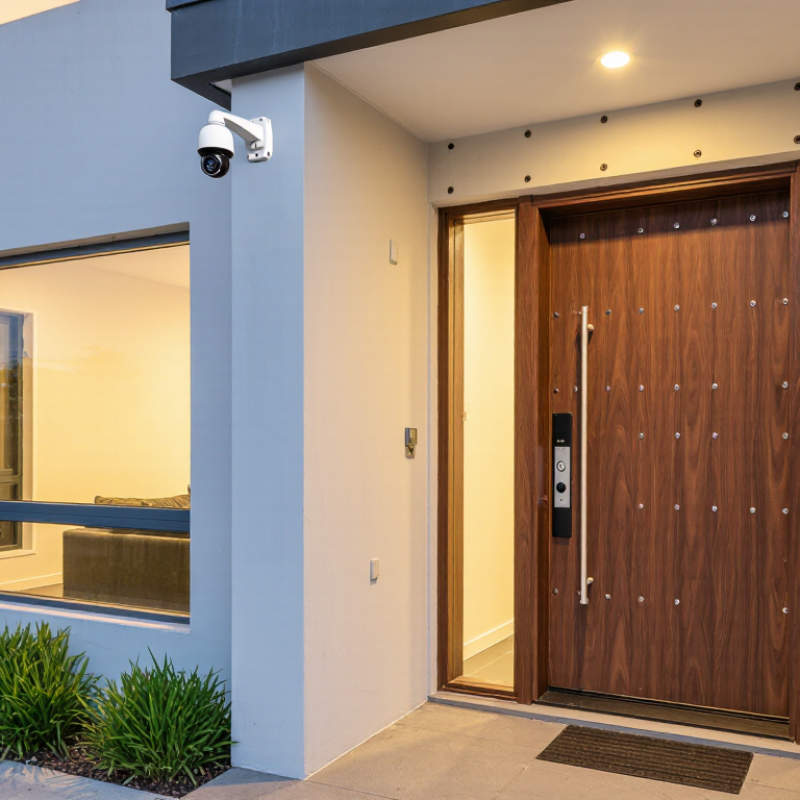
Door and window security starts with an honest vulnerability assessment, not a shopping list. Walk the perimeter in daylight, then inspect it after dark. Record every opening, frame condition, nearby cover, and access from stairs, balconies, or shared corridors. A weak point may be the frame, hinge side, glass panel, or poorly anchored strike plate. Check whether broken glass could provide access to an interior handle. The FBI Crime Data Explorer estimated 847,522 burglary offenses in the United States during 2023. This figure covers many property types, but it shows why every entry point deserves attention.
Assessment should test failure, not appearance. Push each door gently and check for movement around the latch. Examine window locks, exposed hinges, basement openings, and sliding tracks. Look for concealed gaps behind curtains or vegetation. CISA’s Physical Security Performance Goals recommend layered protection, controlled access, and regular review. Still, a checklist can miss human behavior. A perfect-looking window may remain unlocked for convenience. That is an uncomfortable weakness.
Tips: Photograph each vulnerable point and assign a simple risk rating. Replace loose screws with longer, properly anchored fasteners. Keep keys away from reachable windows. Test alarms and lighting monthly. Avoid blocking emergency exits. If a frame flexes, consult a qualified security professional before selecting hardware. A stronger lock cannot repair a damaged frame.
Residential burglary research shows that doors and first-floor windows are the most frequently reported entry points. Prioritize reinforced door frames, high-security locks, laminated or tempered glass, window pins, and upgraded strike plates. Regularly inspect vulnerable openings and ensure that garage and basement access points are secured.
Source: U.S. Department of Justice, residential burglary entry-point research. Percentages represent reported primary entry points and are intended for security-assessment prioritization.
A secure door begins with a strong connection to the wall, not just an expensive lock. Many homeowners inspect the lock first and overlook the frame. A weak frame can split near the strike plate during forced impact. Check for loose trim, cracked wood, and gaps around the jamb. Replace damaged sections before upgrading hardware. Use long, corrosion-resistant screws that reach the wall framing. The exact length should suit the frame and local building requirements.
A deadbolt should extend fully into a reinforced strike plate. Its cylinder should sit firmly without excessive movement. Test the door from inside and outside, because alignment often changes with seasonal swelling. A professional inspection can reveal hidden gaps behind the trim. Small details matter. I have seen strong locks installed on doors that still moved several millimeters when pushed. That movement deserves attention, even when the lock appears modern.
Windows and secondary entry points need the same careful review. Secure accessible windows with functioning locks, and repair loose tracks or damaged latches. Keep keys away from glass panels and avoid leaving them beside the door. Motion lighting can improve visibility near steps, side gates, and garage entrances. Security film may help hold cracked glass together, but it does not replace proper window hardware. Stronger hardware is not a complete answer. Household routines can weaken it. A door left unlatched, even briefly, can defeat careful installation. Regular checks after storms, renovations, or frame movement keep small defects from becoming expensive problems.
| Security Improvement | Best Application | Recommended Specification | Primary Security Benefit | Installation Complexity | Relative Cost | Maintenance and Important Notes |
|---|---|---|---|---|---|---|
| Reinforce the door frame and strike area | Exterior hinged doors, especially doors with lightweight frames | Use a reinforced strike assembly and corrosion-resistant screws long enough to anchor into the structural framing, subject to the door and wall construction. | Helps distribute impact force across the frame instead of concentrating it around the latch and short strike screws. | Moderate | Low to moderate | Confirm that longer fasteners will not damage wiring, plumbing, or glass. Correct alignment is essential for reliable locking. |
| Install a high-quality deadbolt | Main entry and secondary exterior doors | Choose a deadbolt tested to a recognized residential hardware standard, with a substantial bolt and a protected cylinder design. | Adds a separate locking point that is more resistant to casual bypass than a latch-only lock. | Low to moderate | Moderate | Use a single-cylinder design where permitted and appropriate; follow local fire-safety requirements. Keep the bolt fully extended when the door is closed. |
| Upgrade to a reinforced door and frame assembly | Primary entrances, basement doors, and vulnerable rear doors | Use a solid-core or metal-clad exterior door with a compatible reinforced frame and properly fitted hinges. | Improves resistance to splitting, forced impact, and frame deformation compared with a lightweight hollow interior door. | High | High | Security depends on the complete assembly, not the slab alone. The frame, hinges, lock, threshold, and wall connection should be compatible. |
| Protect exposed door hinges | Outward-opening doors where hinge pins are accessible from outside | Use security hinges or approved hinge-side reinforcement suitable for the door type. | Reduces the risk of manipulating or removing accessible hinge pins. | Moderate | Low to moderate | Do not obstruct normal door operation or required emergency egress. Inspect hinge alignment after installation. |
| Secure sliding glass doors against lifting | Patio and balcony sliding doors | Use a properly adjusted primary lock together with a compatible secondary security bar, pin, or anti-lift device. | Helps prevent the movable panel from being forced open or lifted out of its track. | Low | Low | Keep the track clean and verify that the secondary device can be removed quickly when emergency egress is required. |
| Improve window locks | Single-hung, double-hung, casement, and awning windows | Replace damaged or weak latches with locks designed for the specific window configuration; secure both active leaves where applicable. | Reduces common bypass opportunities caused by worn, incomplete, or poorly aligned window hardware. | Low | Low to moderate | Window locks should not prevent required emergency escape. Test operation from inside the room after installation. |
| Use laminated security glazing in vulnerable windows | Entry-adjacent glass, sidelights, low windows, and doors with large glass panels | Specify laminated safety glass or a tested laminated glazing assembly appropriate for the opening and local building requirements. | The interlayer helps hold broken glass together and can delay access through the opening; it is not completely break-in-proof. | Moderate to high | High | Confirm that the frame, glazing beads, and installation method provide the intended level of performance. |
| Add properly installed window security film | Existing glass where replacement with laminated glazing is not practical | Use a professionally installed safety or security film system compatible with the glass and frame. | Can help retain broken shards and delay entry when the film is anchored correctly at the frame. | Moderate | Moderate | Film alone may not stop glass breakage or forced entry. Follow the product test limits and inspect edges for lifting or damage. |
| Improve entry visibility and lighting | Front doors, side passages, garages, and rear entrances | Provide even, glare-controlled lighting at doors and windows, with fixtures positioned to illuminate faces and lock areas. | Improves visitor identification and reduces concealed approach routes. | Low to moderate | Low to moderate | Use reliable controls and maintain clear sightlines. Avoid excessive glare that makes identification more difficult. |
| Secure garage and connecting doors | Attached garages and doors connecting a garage to the home | Use a solid, self-closing, self-latching connecting door with a suitable lock and reinforced frame. | Creates a stronger separation between the garage and living areas, where garage access can otherwise provide a concealed route indoors. | Moderate | Moderate | Maintain the self-closing and latching functions. Check that the assembly meets applicable fire-separation and egress requirements. |
| Use access-control habits and key management | All exterior doors and windows | Keep keys controlled, remove hidden spare keys, rekey locks after occupancy changes, and lock doors and windows whenever they are unattended. | Reduces unauthorized access caused by lost keys, uncontrolled copies, or routinely unlocked openings. | Low | Low | Review access permissions periodically. Do not label spare keys with the property address. |
In 2026, door and window security should begin with the opening, not the lock alone.
The U.S. Department of Energy reports that windows account for roughly 25–30% of residential heating and cooling energy use. Better glazing can improve comfort while adding resistance. Laminated glass holds together after impact, unlike ordinary annealed glass. Tempered glass is stronger, but it can break into many small pieces. That distinction matters.
Frames deserve equal attention. A reinforced pane inside a weak frame offers limited protection. Inspectors often find loose fasteners, compressed weather seals, and shallow anchor points around older openings. These details are easy to miss. Use corrosion-resistant anchors suited to the wall material, then verify the frame remains square. Poor installation can defeat good hardware. It happens.
Opening controls should create layers. Install secure strike plates, longer structural screws, hinge protection, and adjustable door closers where appropriate. For windows, use keyed hardware, restrictors, and contact sensors without blocking required emergency escape. NFPA 730, Guide for Premises Security, emphasizes layered protection rather than one isolated device. The FBI’s 2023 Crime Data Explorer recorded more than 847,000 reported burglary offenses in the United States, although reporting practices vary by jurisdiction. Sensors can notify occupants, but they cannot strengthen glass or stop frame movement. Physical resistance still comes first. Review every opening from the outside, especially basement windows, sliding doors, and poorly lit side entrances.
Doors and windows need more than stronger frames. Smart security devices can add a visible, responsive layer. The FBI’s 2022 Crime Data Explorer recorded 847,522 burglary offenses in the United States. The figure does not predict every home. It does show why delayed awareness matters.
Install contact sensors on entry doors and accessible windows. Add glass-break detection near large panes. A smart lock can issue temporary access codes for cleaners or contractors. Remove each code after the visit. Keep it simple. Access monitoring should record entry time, user, and door location. Instant alerts can show whether a door opened at 2 a.m. or remained unsecured after departure. A local alarm should still work during an internet outage.
Digital convenience creates new weaknesses. The 2024 Data Breach Investigations Report found human involvement in 68% of breaches. Use unique passwords, multi-factor authentication, and automatic software updates. Limit administrator access to one or two trusted adults. NIST’s Cybersecurity Framework 2.0 also stresses asset inventories and clear account controls. These steps sound routine, but households often skip them. I have seen security plans fail because batteries were empty or alerts were ignored. Test sensors monthly. Review access logs weekly. A camera alone is not protection. It needs careful placement, privacy controls, and a response plan when an alert arrives.
Door and window security begins with maintenance, not expensive upgrades. Inspect locks, hinges, frames, and strike plates every month. Look for loose screws, rust, warped wood, or gaps around the frame. A door may appear strong while its frame quietly weakens.
Test the complete security system on a regular schedule. Open each protected door and window, then confirm that the alert reaches the control panel. Check motion sensors from different angles, because furniture can block their view. Replace weak batteries before the system warns you. Keep a simple test log with dates, locations, and observed problems. Small details matter.
Improve protection after reviewing those results. Install longer frame screws where appropriate, strengthen vulnerable windows, and keep entry areas well lit. Ask a qualified security professional to inspect complex wiring or alarm connections. Do not rely on one test. Weather, renovations, and daily use can change performance. A checklist can still miss something. That is why a second inspection is valuable. Review emergency contacts and access permissions, too. Remove old users promptly, and make sure every household member understands the system’s normal operation. Practice calmly, without creating confusion for neighbors or emergency services.
A strong lock cannot protect a weak frame. Check for cracked wood, loose trim, gaps, and movement near the strike plate. Repair damaged sections first. It is easy to miss.
The bolt should enter a reinforced strike plate completely. The cylinder should feel firm, without excessive movement. Push the locked door from both sides. Several millimeters of movement deserves attention.
Use corrosion-resistant screws that reach suitable wall framing. Choose anchors matching the wall material. Exact lengths depend on the frame and local building requirements. Longer is not always better.
Test every lock, latch, and sliding track. Repair loose tracks and damaged hardware. Check basement windows, sliding doors, and side entrances carefully. Review them from outside.
No. Film may help hold cracked glass together after impact. It does not replace strong window hardware or a stable frame. Laminated glass stays together better than ordinary glass. Tempered glass breaks differently.
Use motion lighting near steps, side gates, and garage entrances. Keep keys away from glass panels. Close and latch doors, even during brief interruptions. Daily habits can defeat expensive hardware.
Inspect locks, hinges, frames, and strike plates every month. Open each protected opening and confirm the alert reaches the control panel. Test motion sensors from different angles. Furniture may block them.
Keep a simple log with dates, locations, and problems found. Record loose screws, rust, warped wood, gaps, and weak batteries. Recheck after storms, renovations, or frame movement. A checklist can still miss something.
Improving the security of doors and windows begins with identifying their weakest points, such as loose frames, worn locks, damaged glass, or openings that are difficult to monitor. A practical guide to How to improve security for doors and windows should recommend reinforcing door frames, using reliable locking systems, securing hinges and entry points, and selecting stronger window glass and frames. Window opening controls can also help limit unauthorized access while allowing safe ventilation.
Modern security devices can add another layer of protection through motion sensors, contact alarms, cameras, lighting, and access notifications. However, effective security depends on more than installation alone. Homeowners and property managers should regularly inspect hardware, test alarms and monitoring systems, review access permissions, and repair weaknesses promptly. By combining physical improvements, smart monitoring, and consistent maintenance, it is possible to create a stronger, more dependable security system for both doors and windows.
